You open a fresh bag of coffee, and the smell is wonderful. Maybe it reminds you of chocolate, toasted nuts, berries, or caramel. You grind the beans, enjoy the aroma as hot water hits the coffee, and expect the first sip to taste just as good.
But it doesn't.
The coffee might taste flatter than it smelled, or the flavor may seem more bitter, sour, or ordinary than you expected. This can be disappointing, especially when you have bought a bag specifically because its aroma sounded appealing.
There is a reason this happens. Smelling coffee and tasting it are connected, but they are not exactly the same experience.
Smelling Coffee and Drinking It Are Two Different Experiences
When you smell freshly ground coffee, aromatic compounds travel through the air and reach your nose. Grinding releases many of these compounds, which is why a bag of beans can smell particularly strong just after opening.
Drinking coffee involves more than the aroma rising from the cup. As you sip, some aromatic compounds travel from the back of your mouth toward your nose. This is called retronasal smell, and it contributes significantly to what you recognize as flavor.
The difference matters because the compounds you notice when smelling dry grounds are not necessarily the same ones you experience in the finished drink.
For example, a coffee might have a strong fruity fragrance when ground but taste more like black tea, citrus, or mild chocolate after brewing. That does not automatically mean something went wrong.
Why the Aroma Can Seem Stronger Than the Flavor
A few things can create this gap.
Freshly ground coffee releases a strong burst of aroma
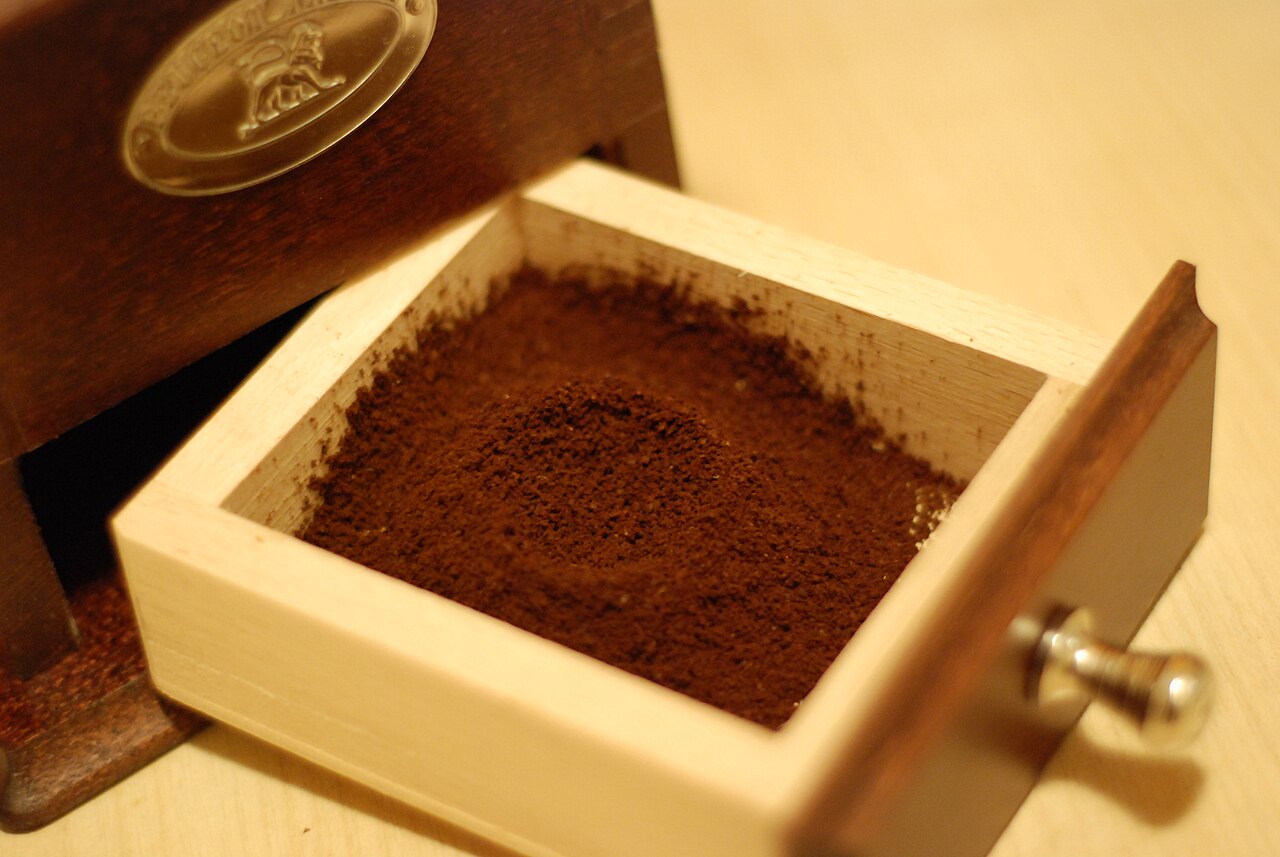
The smell immediately after grinding can be surprisingly intense. The grinder breaks open the beans and exposes a much larger surface area to the air.
Once the coffee is brewed, some volatile compounds escape with the steam. Others change or become less noticeable as the drink sits.
This is one reason the first smell from the grinder can be more exciting than the flavor you eventually taste.
The aroma description on the bag sets an expectation
A bag might describe a coffee as having blueberry, jasmine, honey, or dark chocolate notes.
These descriptions are not ingredients added to the beans. They are comparisons used to describe recognizable sensory impressions.
If you expect a cup to taste exactly like blueberry juice, you may be disappointed. A coffee described as blueberry might have a light fruity aroma and a gentle acidity without tasting strongly of blueberries.
If these descriptions often confuse you, our guide to what coffee tasting notes actually mean explains how to read them without expecting the cup to taste like a flavored drink.
Your brewing method changes what comes through
The same beans can smell and taste different depending on how you prepare them.
A pour-over usually produces a cleaner cup where delicate aromas and lighter flavors are easier to notice. A French press retains more oils and fine particles, giving the coffee a fuller mouthfeel.
An espresso concentrates the coffee into a smaller serving, so roasted, intense flavors can become more noticeable.
None of these methods guarantees a stronger aroma-to-flavor match. They simply present the coffee differently.
The coffee may be losing its aroma as it sits
A freshly brewed cup does not keep exactly the same aroma throughout the morning.
Some volatile compounds escape quickly, while continued exposure to air and heat changes the drink's aroma profile. A cup that smelled wonderful when freshly poured may seem less expressive after sitting on your desk.
Temperature also affects what you notice. Very hot coffee can hide some of its sweetness and subtle flavor details. As it cools, different characteristics become easier to recognize.
How to Get More Flavor From Coffee That Smells Better Than It Tastes
Before buying another bag, try a few simple checks.
Taste the coffee after it cools slightly. Don't judge it from the first sip while it is steaming hot. Give it a few minutes and notice whether sweetness, acidity, or other flavors become clearer.
Check the grind and brewing method. If the coffee tastes thin and sharp, extraction may be insufficient. If it tastes harsh or dry, the brew may be extracting too much. Change one variable at a time rather than adjusting everything together.
Use a consistent coffee-to-water ratio. Measuring your coffee and water makes it easier to compare one brew with another. A slightly different dose can change the perceived strength even when you use the same beans.
Try a different brewing method before replacing the beans. If a coffee seems too delicate in a large pour-over, a smaller and more concentrated preparation may make its flavor easier to notice.
Pay attention to freshness. Coffee that has been open for a long time may lose some of the aroma that made it appealing in the first place.
Does This Mean the Coffee Beans Are Bad?
Not necessarily.
A strong smell does not guarantee that every flavor characteristic will be equally strong in the cup. Some coffees are naturally delicate, while others have a more obvious roasted or chocolate-like profile.
You should also separate a pleasant aroma from a balanced taste. If the coffee smells great but consistently tastes harsh, unpleasant, or hollow, there may be a brewing or freshness issue worth investigating.
The important thing is to judge the finished drink rather than the fragrance alone.
When to Try Something Different
If you enjoy the smell of a coffee but never enjoy drinking it, the roast or flavor profile may simply not suit your preferences.
Someone who likes bold, chocolatey coffee may find a floral light roast too delicate. Someone who enjoys bright fruit flavors may find a darker roast heavy and flat.
There is no reason to force yourself to like a coffee just because its tasting notes sound attractive.
A good coffee should be enjoyable in the cup, not only when you open the bag.


