
How to Make Pour-Over Coffee at Home
A step-by-step routine for a cone dripper, from rinsing the filter to judging the drawdown time.
Practical guides to brewing, coffee beans, flavor, and the everyday problems that affect your cup.

Find practical guides based on what you want to learn or solve.
 Brewing GuidesLearn home brewing methods, grind sizes, equipment choices, and ways to make better coffee. Explore Brewing Guides
 Coffee ProblemsFind out why your coffee tastes sour, bitter, weak, or different from what you expected. Explore Coffee Problems
 Coffee BeansExplore coffee origins, roast levels, freshness, storage, and bean selection. Explore Coffee Beans
 Coffee DrinksDiscover hot and iced coffee drinks you can make at home. Explore Coffee Drinks
 Coffee BasicsUnderstand coffee terminology, extraction, tasting notes, and other essential concepts. Explore Coffee Basics
Making better coffee at home is not just about buying expensive beans or using special equipment. The grind size, water temperature, brewing method, roast level, and freshness of your coffee can all change what ends up in your cup.
Cafe Panameio brings together practical coffee brewing guides, coffee bean information, drink recipes, and solutions to common coffee problems. Whether your coffee tastes too sour, your French press brew feels weak, or you are trying to understand the difference between light and dark roast, you can find straightforward explanations and useful steps to help.
Our goal is to make coffee easier to understand, so you can make better choices and enjoy a better cup every day.
From pour-over and French press to grind size and brewing equipment, explore practical ways to improve your coffee at home.
A step-by-step routine for a cone dripper, from rinsing the filter to judging the drawdown time.
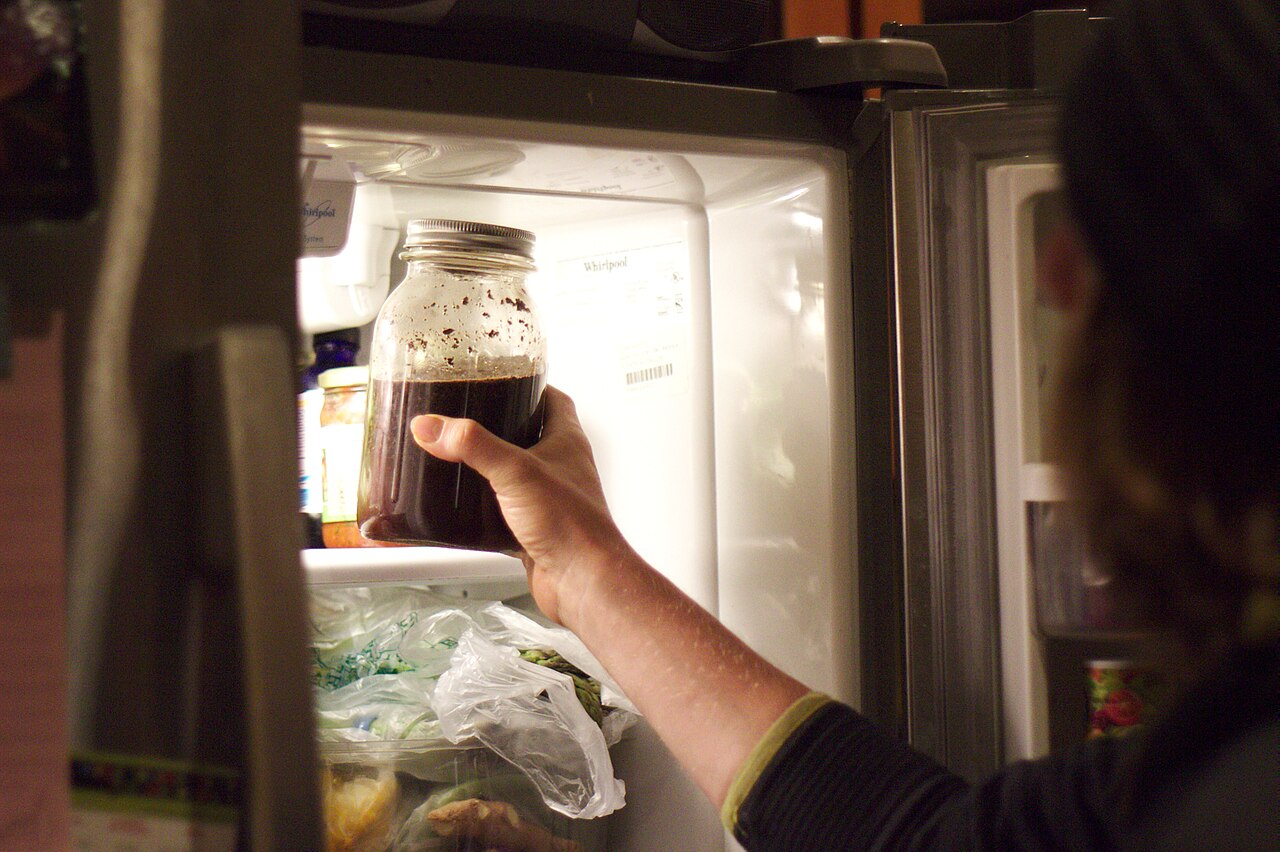
A pitcher, a concentrate system, or a tap-equipped carafe? Five home cold brew makers compared by capacity, filter, storage, and cleanup.
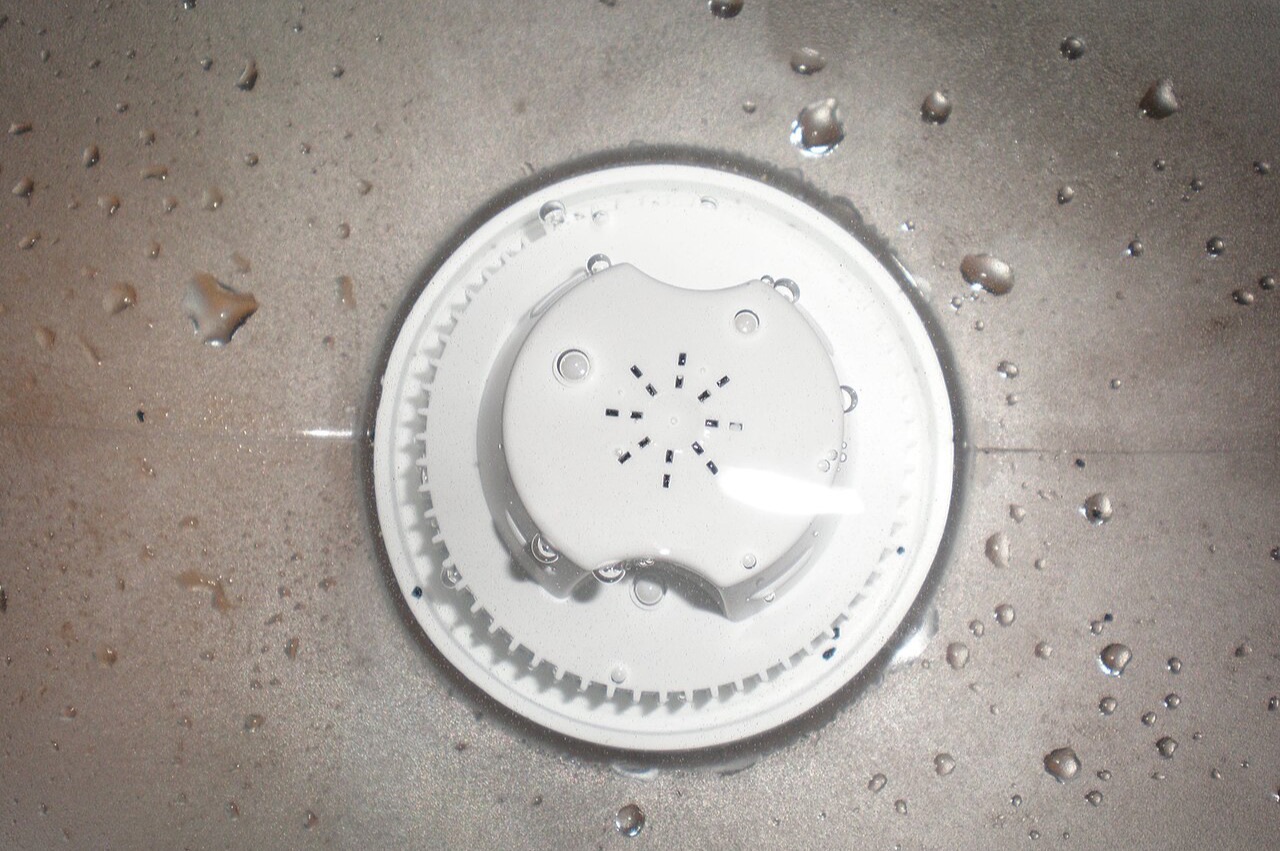
A Brita pitcher reduces chlorine taste and odor, but it does not fix every coffee problem. Here is what it actually removes and when it is worth using.
Chlorine, hardness, and bicarbonate all change how coffee extracts and tastes. Here is how to tell whether your tap water is the reason your cup tastes off.
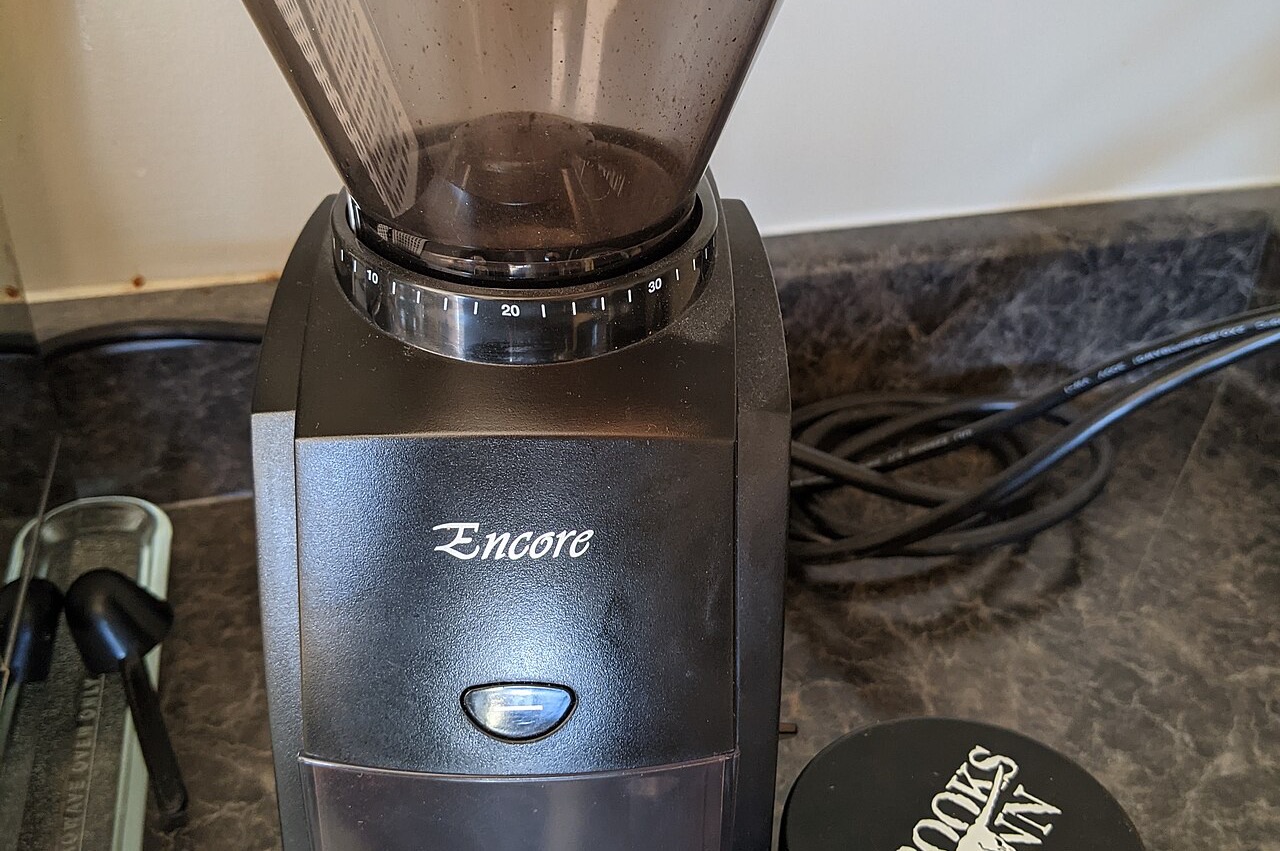
Grinding straight from the freezer can give you a more even grind, but not every grinder is built for it. Here is what to check before you try.

Grams and scoops for four mugs, and why “cup” means different sizes on different brewers.
Coffee that tastes sour, bitter, weak, or watery often has a reason. Start with the flavor you notice and find practical ways to improve your next cup.
Tell bright fruit acidity apart from under-extraction, then adjust grind, water temperature and time in that order.

Good beans can still be over-extracted. Check grind, brew time and water heat.

More coffee does not help if water rushes through. Look at grind and contact time first.

What changes in the cup as it cools, and what that tells you about your brew.
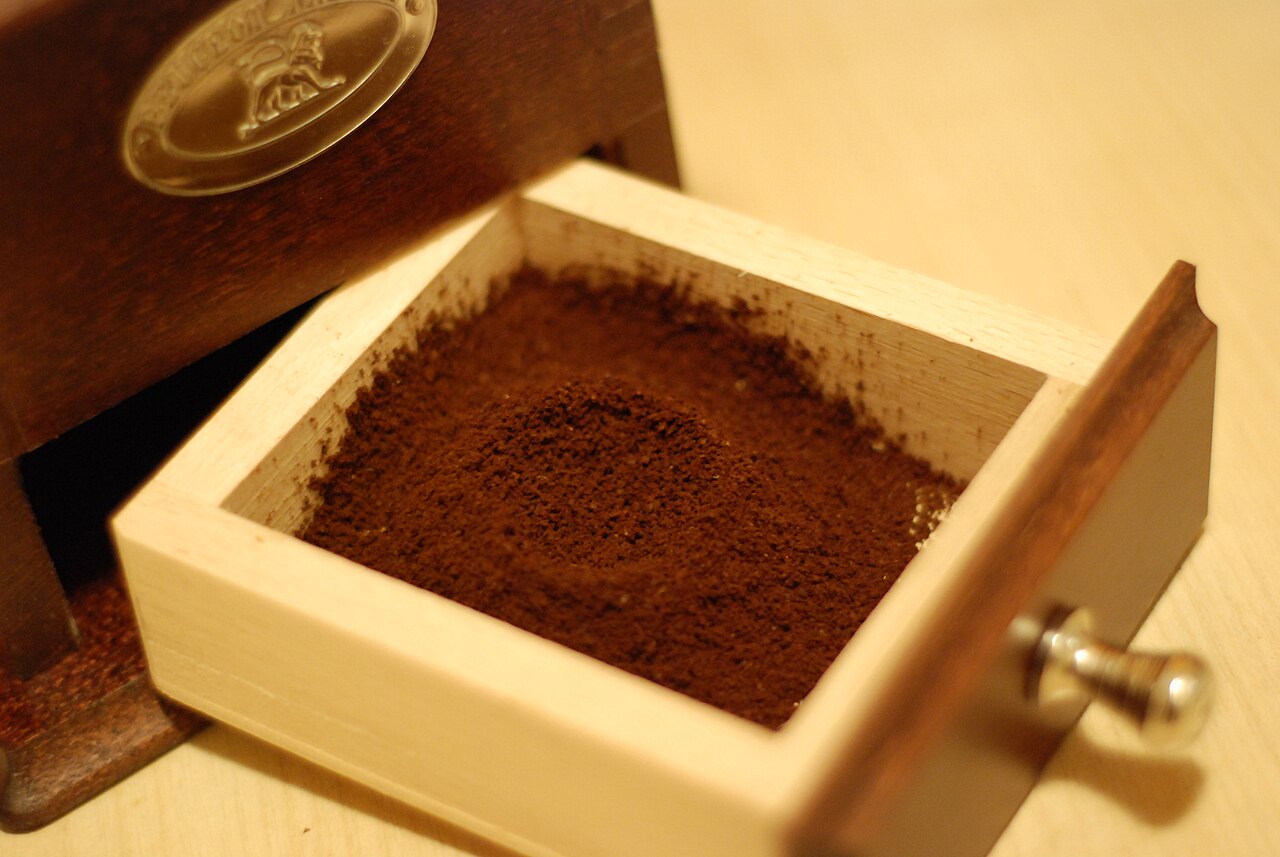
Coffee smells rich and inviting, but the first sip disappoints? Find out why aroma and flavor can feel different, and what to check before changing your brew.
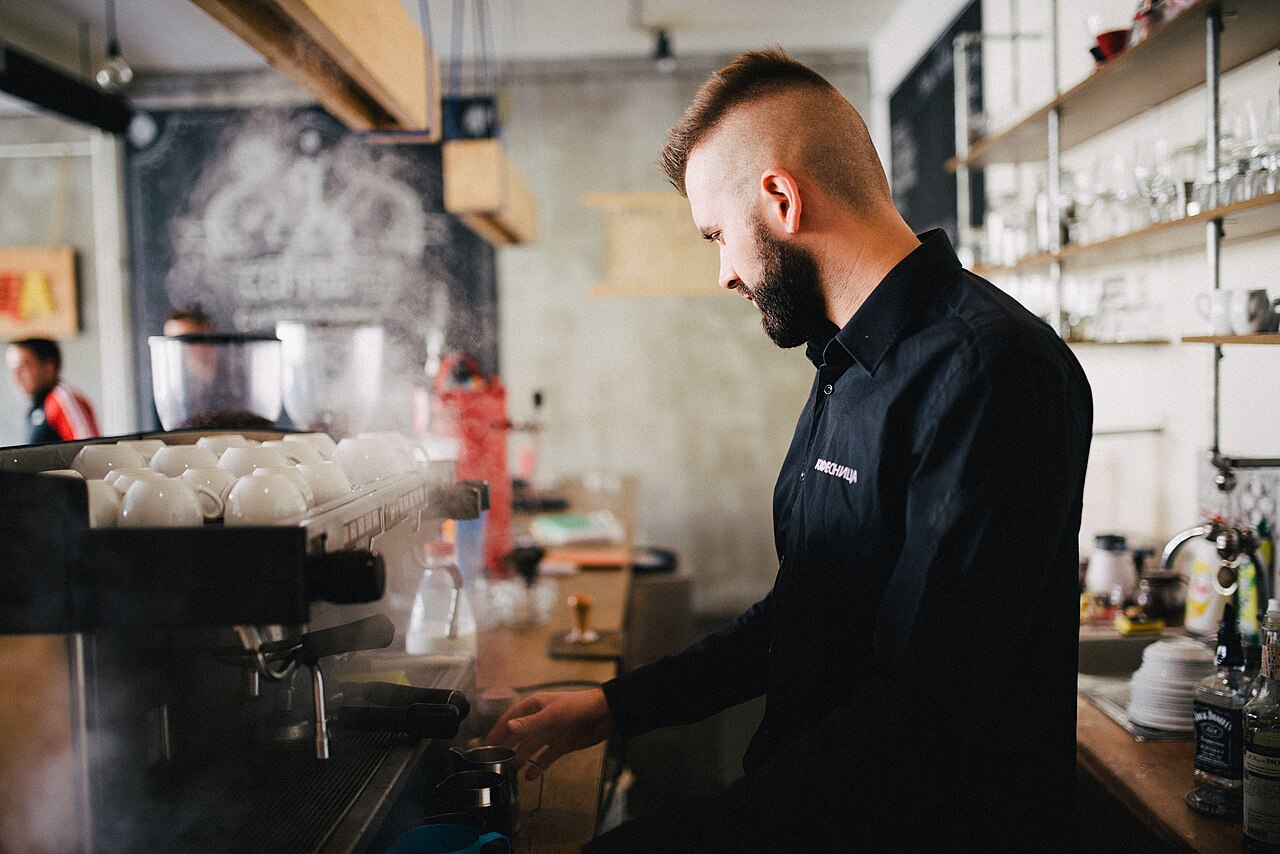
Using good beans but still prefer coffee shop drinks? Find out how grinding, equipment, brewing consistency, and small preparation differences affect homemade coffee.
The beans you choose affect the flavor in your cup. Learn how roast, origin, freshness, and storage change your everyday coffee.
What roast level changes in acidity, body and bitterness, and how to pick one for your brewer.

Whole bean vs ground, what to do after opening the bag, and how air and moisture change taste.

Simple signs that beans have gone flat, and why a roast date matters more than a best-by date.
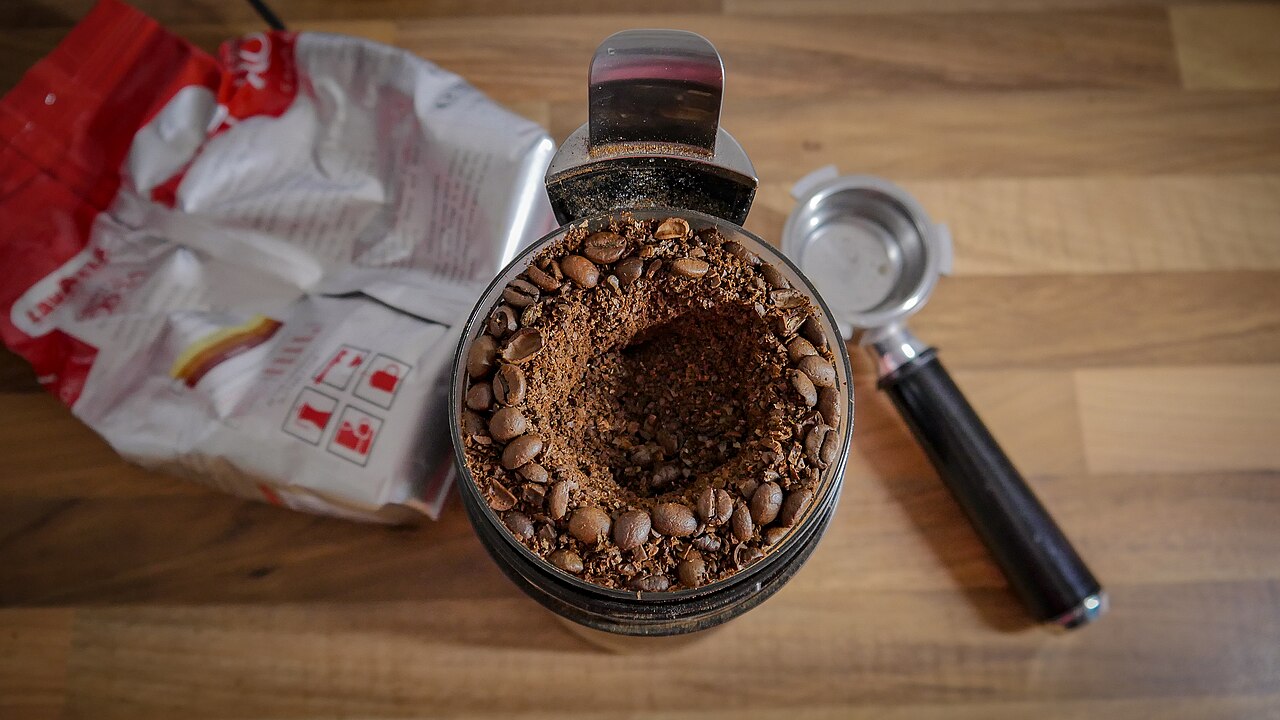
Is freshly ground coffee really worth the extra effort? Compare aroma, flavor, convenience, storage, and cost to decide which option suits your routine.
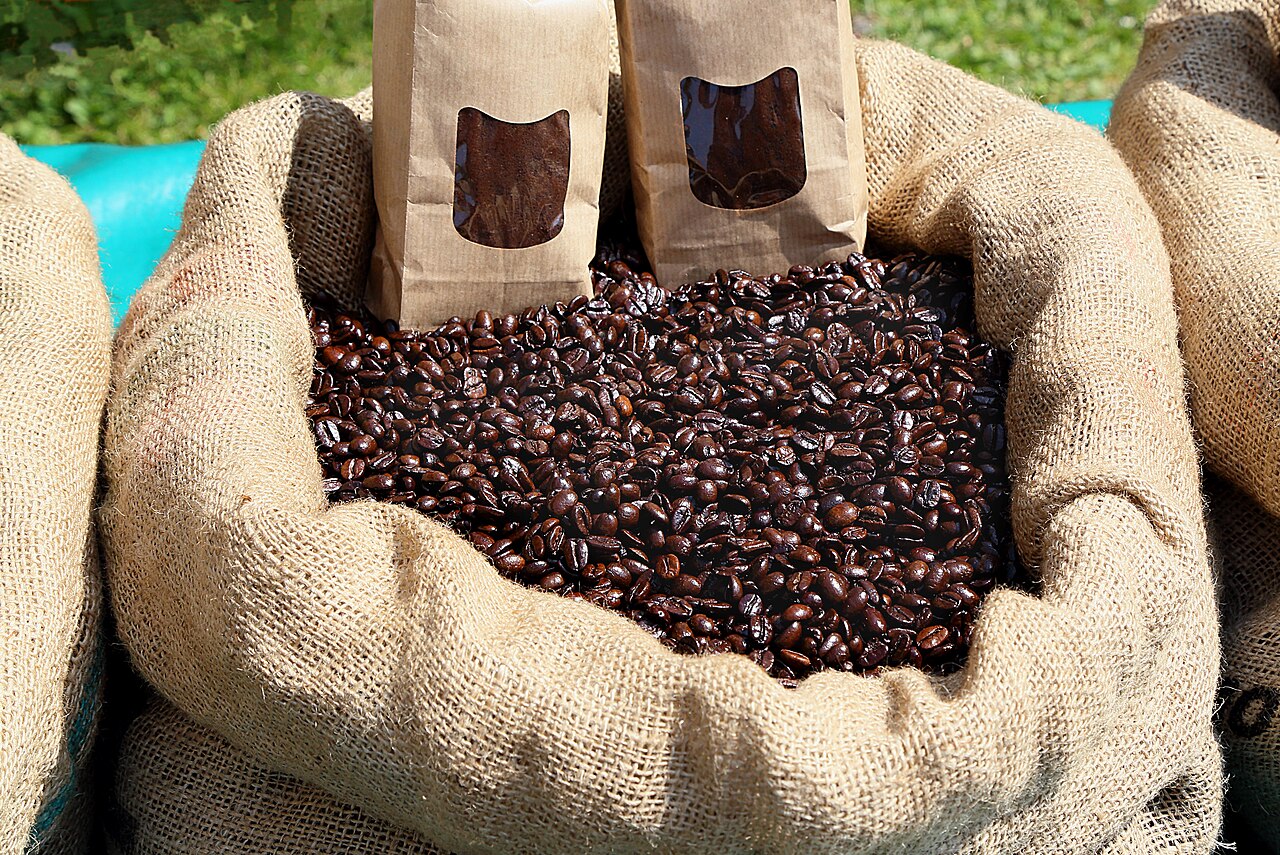
Stumptown, Counter Culture, Intelligentsia, Peet's, and Lavazza solve different problems. Here is how to pick the right bag for how you brew.
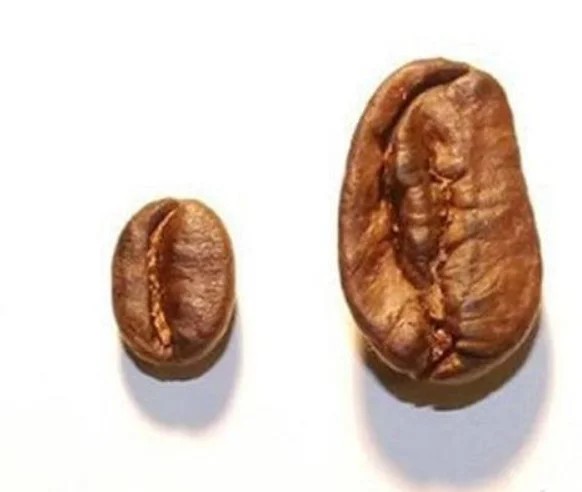
Elephant beans look almost twice the size of normal coffee. Here is what Maragogipe actually is, why it grows so big, and how it tastes.
You do not need a professional espresso machine to enjoy a good coffee drink. Explore simple ways to make popular hot and iced coffee drinks in your own kitchen.
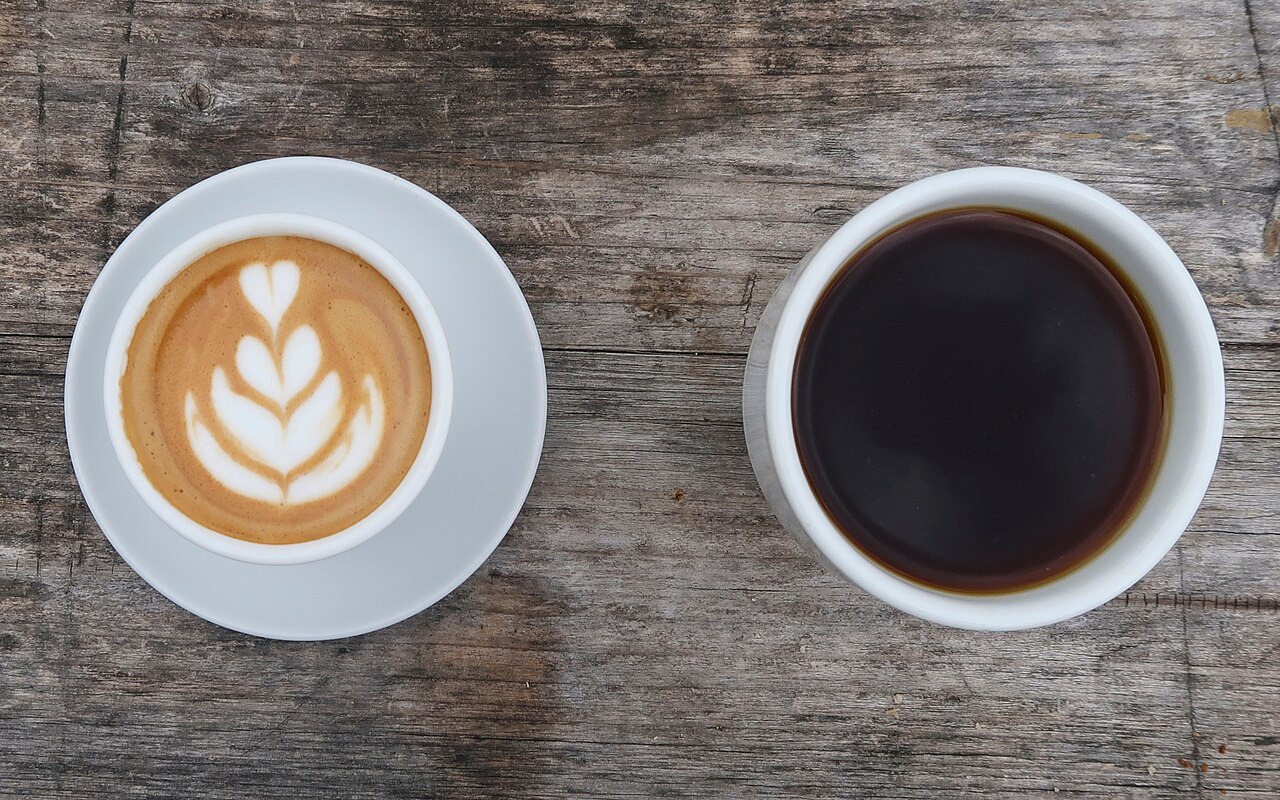
Latte, cappuccino, or flat white? Compare their milk texture, coffee strength, foam, and serving size to find the espresso drink you will enjoy most.
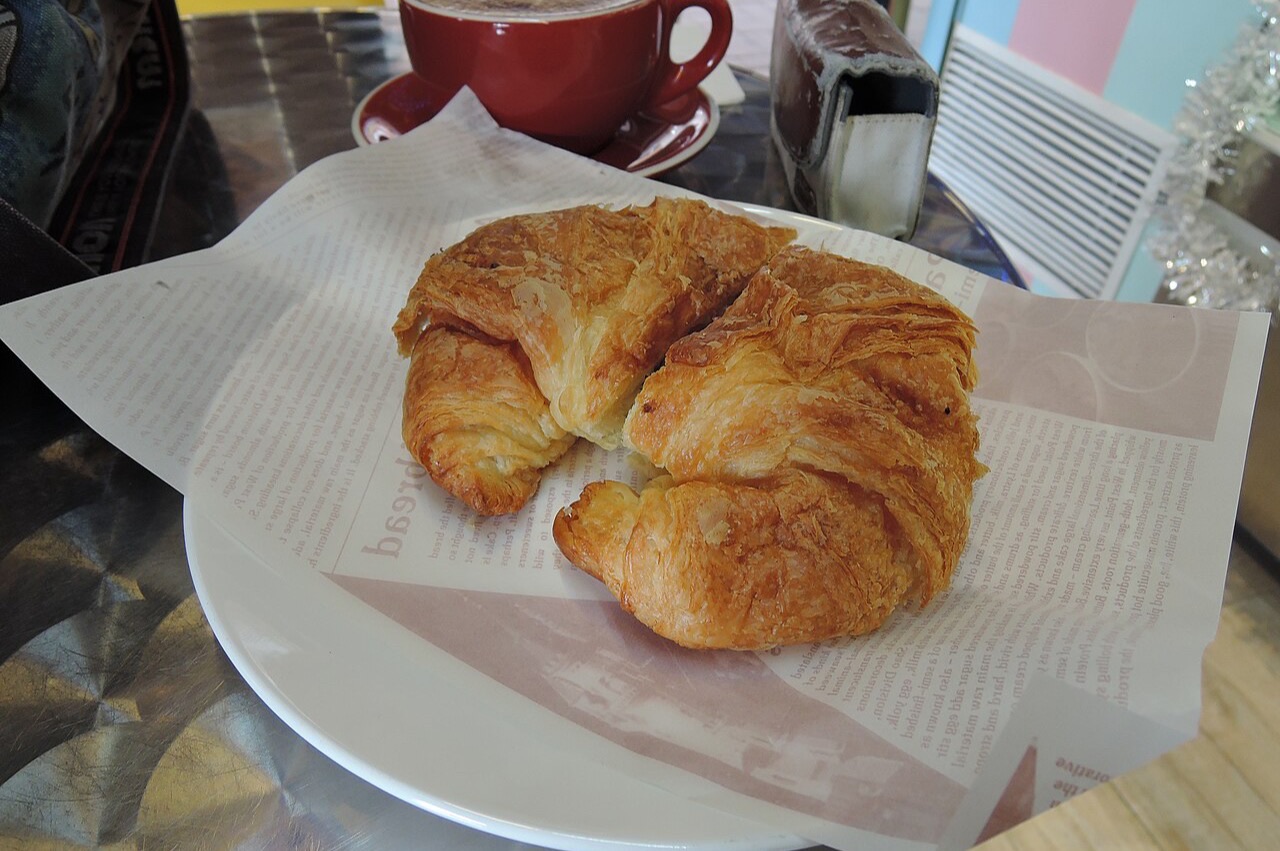
Five local breakfast spots on Isle of Palms, from coffee and croissants to biscuits, pancakes, and bagels.

Pistachio lattes combine coffee with a nutty, creamy flavor that feels different from the usual vanilla or caramel drink. They can be made hot or iced, with pistachio syrup, pistachio cream, or pistachio milk.

How the two are made, how they taste, and which suits a busy morning.
A milk-forward iced latte without a café setup, plus how to keep it from tasting watered down.

Coffee becomes easier to enjoy when you understand its language. Learn what tasting notes, extraction, bloom, and other coffee terms actually mean.
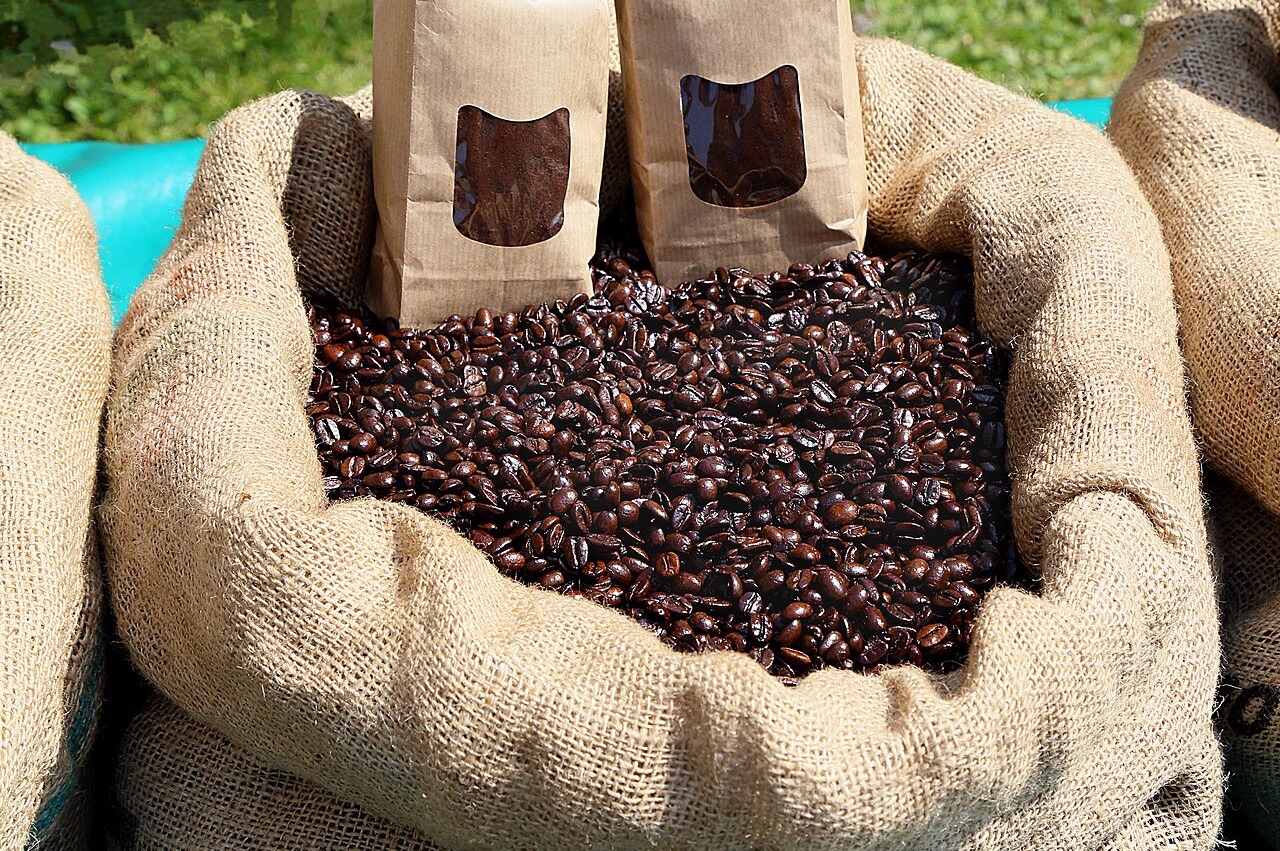
What the Single Origin label really means, how to read country, region, and farm details, and what else to check before buying.
Explore the latest coffee guides, brewing tips, and practical advice.
Coffee Problems
Coffee smells rich and inviting, but the first sip disappoints? Find out why aroma and flavor can feel different, and what to check before changing your brew.
Coffee Problems
Using good beans but still prefer coffee shop drinks? Find out how grinding, equipment, brewing consistency, and small preparation differences affect homemade coffee.
Coffee Beans
Is freshly ground coffee really worth the extra effort? Compare aroma, flavor, convenience, storage, and cost to decide which option suits your routine.
Coffee Drinks
Latte, cappuccino, or flat white? Compare their milk texture, coffee strength, foam, and serving size to find the espresso drink you will enjoy most.

Coffee Problems
Coffee has gone cold before you finished it? Learn what happens when you reheat coffee, which methods work best, and when making a fresh cup is better.
Brewing Guides
A pitcher, a concentrate system, or a tap-equipped carafe? Five home cold brew makers compared by capacity, filter, storage, and cleanup.
We write for the kitchen counter, not the café bar: home brewing methods, how beans and roast change flavor, and the problems people actually run into. Every article carries a note of what we checked ourselves.


