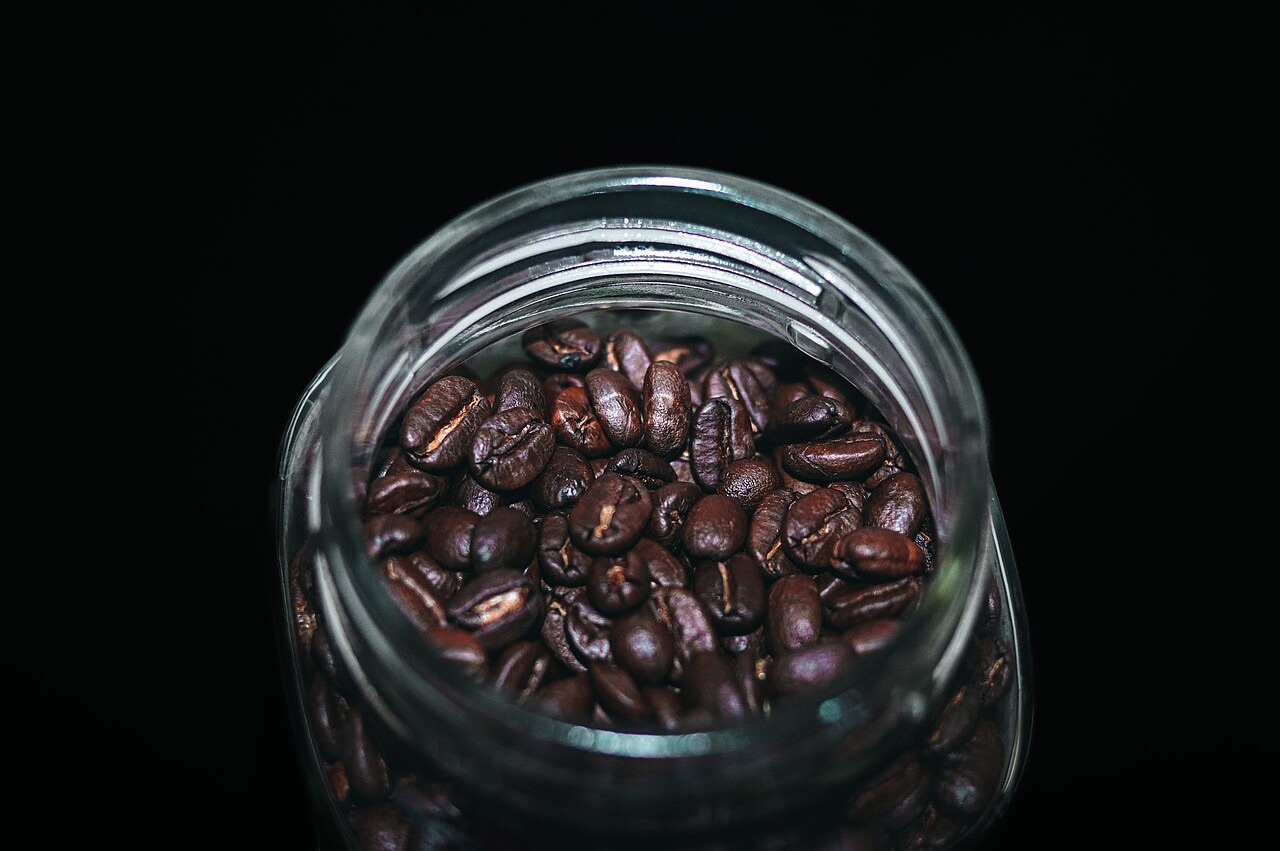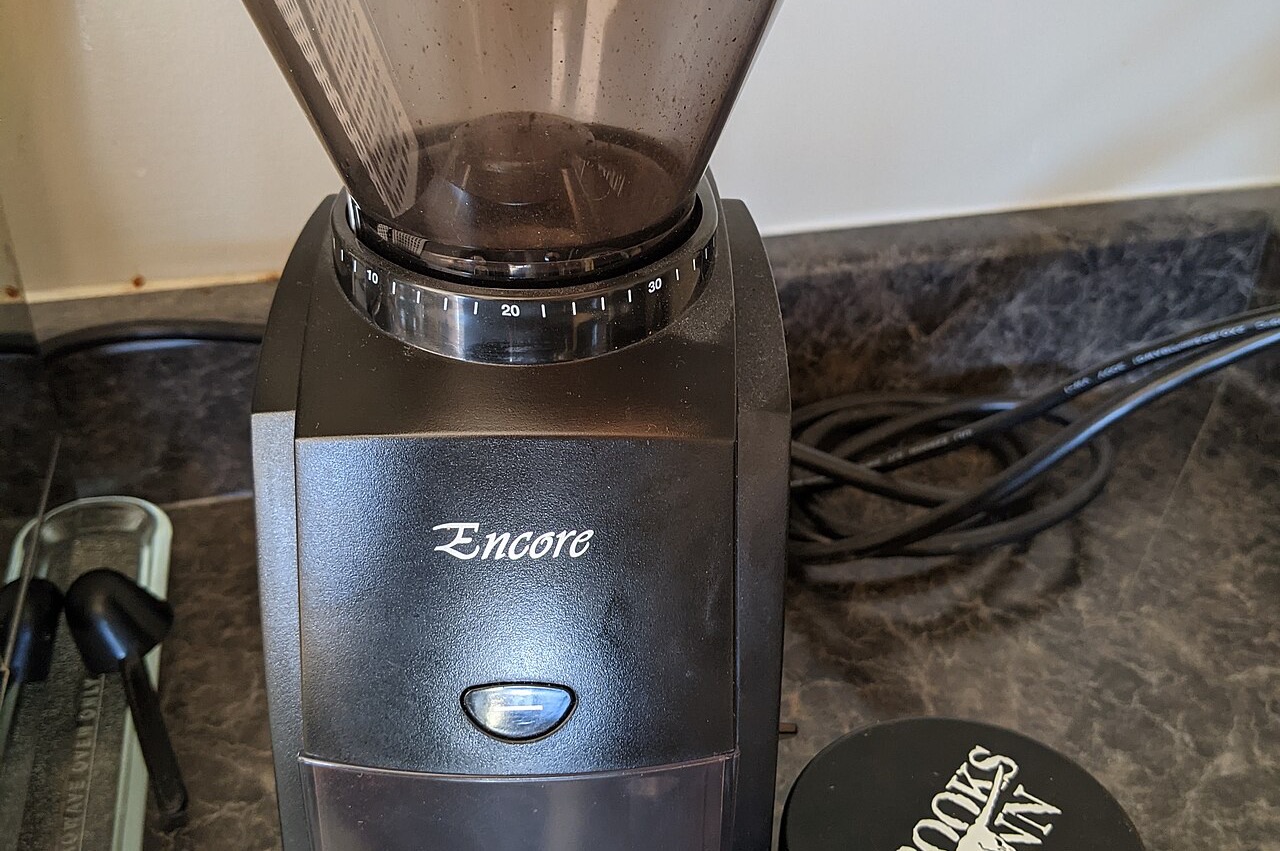
You take a small bag of coffee beans out of the freezer because you want to make a fresh cup. Should you wait for the beans to thaw, or can you put them straight into your grinder?
It sounds like a small decision, but coffee enthusiasts have different opinions about it.
Some prefer to grind frozen beans immediately. Others worry about condensation, moisture, and possible damage to their grinders.
For many suitable burr grinders, grinding coffee beans straight from the freezer is a reasonable method. You do not necessarily need to thaw them first. In fact, colder beans can produce a more uniform grind.
However, not every coffee machine is designed to handle frozen beans. If you use a fully automatic espresso machine or an integrated grinder, check the manufacturer's instructions before trying it.
Here is what you should know before putting frozen beans into your grinder.
Can You Grind Coffee Beans Without Thawing Them?
Yes, some coffee enthusiasts and specialty coffee professionals grind whole beans directly from the freezer.
The reason is not just convenience. Temperature can change how coffee beans break apart during grinding.
Coffee beans are relatively brittle when cold. Research published in Scientific Reports in 2016 found that grinding colder beans produced smaller and more uniform coffee particles than grinding beans at room temperature.
This matters because uneven grounds can extract at different rates.
Very small particles may release flavor more quickly, while larger particles need more time for water to extract their soluble compounds. A more consistent particle distribution can help produce a more predictable cup.
The study did not prove that every frozen coffee will taste better. But it helps explain why some baristas and coffee enthusiasts prefer grinding beans straight from the freezer.
There is one important condition: the beans should be dry and stored properly. You do not want wet or visibly frosted beans going into a grinder.
Why Do Some People Prefer Grinding Frozen Coffee Beans?
There are two practical reasons.
More consistent coffee grounds
Cold beans can fracture differently from room-temperature beans. As a result, the grinder may produce a narrower range of particle sizes.
This can be particularly interesting when brewing light-roast coffee.
Light-roast beans are often denser and harder than dark-roast beans. Some grinders struggle to break them into evenly sized particles.
Freezing may help these beans break more consistently.
Less static and mess
Some coffee enthusiasts also notice less static when grinding cold beans, especially when there is a small amount of moisture associated with the beans.
However, this should not be treated as a guaranteed result. Static depends on the beans, grinder, humidity, and other conditions.
If your main reason for freezing coffee is to preserve a bag you cannot finish soon, there is another useful point: dividing the beans into single-use portions makes it easier to grind them directly without repeatedly thawing the whole bag.
You can read more about the storage method in our guide to freezing coffee beans and keeping them fresh.
Do You Need to Thaw Frozen Coffee Beans First?
Not necessarily. It depends on your grinder and how you have stored the beans.
If you use a suitable standalone burr grinder and its manufacturer allows frozen beans, you can try grinding a small portion directly from the freezer.
Avoid leaving cold beans sitting in an open container for a long time. When cold beans meet warm, humid air, condensation can form on their surfaces.
That is why portioning matters.
For example, if you normally use 18 grams of coffee for one brew, freeze individual 18-gram portions in airtight containers.
When you want coffee:
- Take out one sealed portion.
- Open it when you are ready to grind.
- Add the beans to your grinder promptly.
- Grind and brew as usual.
This avoids repeatedly exposing a large supply of beans to room air.
If you have one large bag rather than individual portions, the safer everyday approach is to keep it sealed while it warms to room temperature before opening.
Can Frozen Coffee Beans Damage Your Grinder?
This is where you should be careful.
There is no universal answer because different grinders have different designs.
Some specialty coffee professionals regularly grind frozen beans using their burr grinders. However, some coffee machine manufacturers specifically advise against using frozen beans.
For example, De'Longhi's guidance for certain grinder-equipped machines warns against grinding frozen beans because condensation and moisture may cause problems inside the machine.
This is particularly important for fully automatic coffee machines, where the grinder is built into a larger system.
Moisture can cause coffee grounds to clump, interfere with feeding, and create cleaning or maintenance problems.
Before trying frozen beans, consider your equipment:
- Standalone burr grinder: Check the manufacturer's guidance. Some are suitable for grinding frozen beans.
- Hand grinder: Check the manufacturer's instructions and avoid forcing the handle if the beans feel unusually difficult to grind.
- Fully automatic espresso machine: Do not assume frozen beans are safe. Follow the machine manufacturer's instructions.
- Blade grinder: Freezing does not solve the uneven-grinding limitations of this type of grinder.
If your machine manual says not to use frozen beans, follow that advice. A possible improvement in grind consistency is not worth damaging an expensive coffee machine.
What Happens If You Let Frozen Coffee Beans Thaw?
Thawing itself does not automatically ruin coffee beans.
The bigger concern is how you thaw them.
Imagine taking a cold, unsealed bag out of the freezer and leaving it open on your kitchen counter. Warm air contains moisture, which can condense on the cold beans.
The beans may become slightly damp, even if you do not notice obvious water droplets.
This can affect their texture, make grinding less convenient, and expose them to unwanted moisture.
If you want to thaw a larger package, keep it sealed until the beans have reached room temperature.
Do not open the bag repeatedly to check whether the beans are ready. Just let the sealed package warm naturally.
Once opened, use the beans as you normally would and keep them in an airtight container.
What If You Accidentally Left Frozen Coffee Beans Out Overnight?
First, do not panic.
If the beans were in a properly sealed package and stayed dry, they may still be usable.
Check the beans before brewing:
- Do they look wet or have visible water droplets?
- Is there frost or ice inside the package?
- Do they smell normal, or have they picked up an unusual odor?
- Do the beans feel unusually damp or sticky?
If the package remained sealed and the beans are dry, there is usually no reason to throw them away simply because they thawed.
However, avoid putting the entire bag back into the freezer repeatedly. Repeated temperature changes increase the chance of condensation and make storage less predictable.
If the beans are visibly wet, do not put them into your grinder. Let the situation be assessed before using them, and follow your grinder manufacturer's cleaning guidance if moisture has entered the machine.
Should You Refreeze Coffee Beans After Grinding or Thawing?
It is better to avoid it.
If you thawed a large bag, try to use it rather than repeatedly moving it between the freezer and kitchen cupboard.
If you have not frozen your beans yet, divide them into smaller portions first. That is much easier than trying to manage one large package later.
Also, do not freeze already-ground coffee just because you want to save time. Whole beans generally retain their aroma better because less of their surface area is exposed to air.
For long-term storage, keeping whole beans in small, airtight portions is usually the more practical approach.
Frequently Asked Questions
Can I put frozen coffee beans directly into a manual grinder?
Some manual grinders can handle frozen beans, but you should check the manufacturer's instructions. Never force the handle if the beans are difficult to grind.
Do frozen coffee beans need a different grinder setting?
Start with your usual setting. Cold beans may produce a different particle distribution, so you may need small adjustments depending on your brewing method and taste.
Will frozen coffee beans make stronger coffee?
Not automatically. Cold grinding can produce more uniform particles and may influence extraction, but coffee strength also depends on the coffee-to-water ratio, grind setting, water temperature, and brewing time.
Can I grind frozen coffee beans for espresso?
Some espresso enthusiasts use frozen beans, but your grinder and espresso machine setup matter. Start with small portions and adjust your grind if necessary. Follow the equipment manufacturer's instructions.
Should I freeze coffee beans before grinding every time?
No. Freezing is not necessary for everyday coffee. It can be useful for preserving extra beans or experimenting with grind consistency, but freshly purchased beans stored properly at room temperature are perfectly fine for daily brewing.