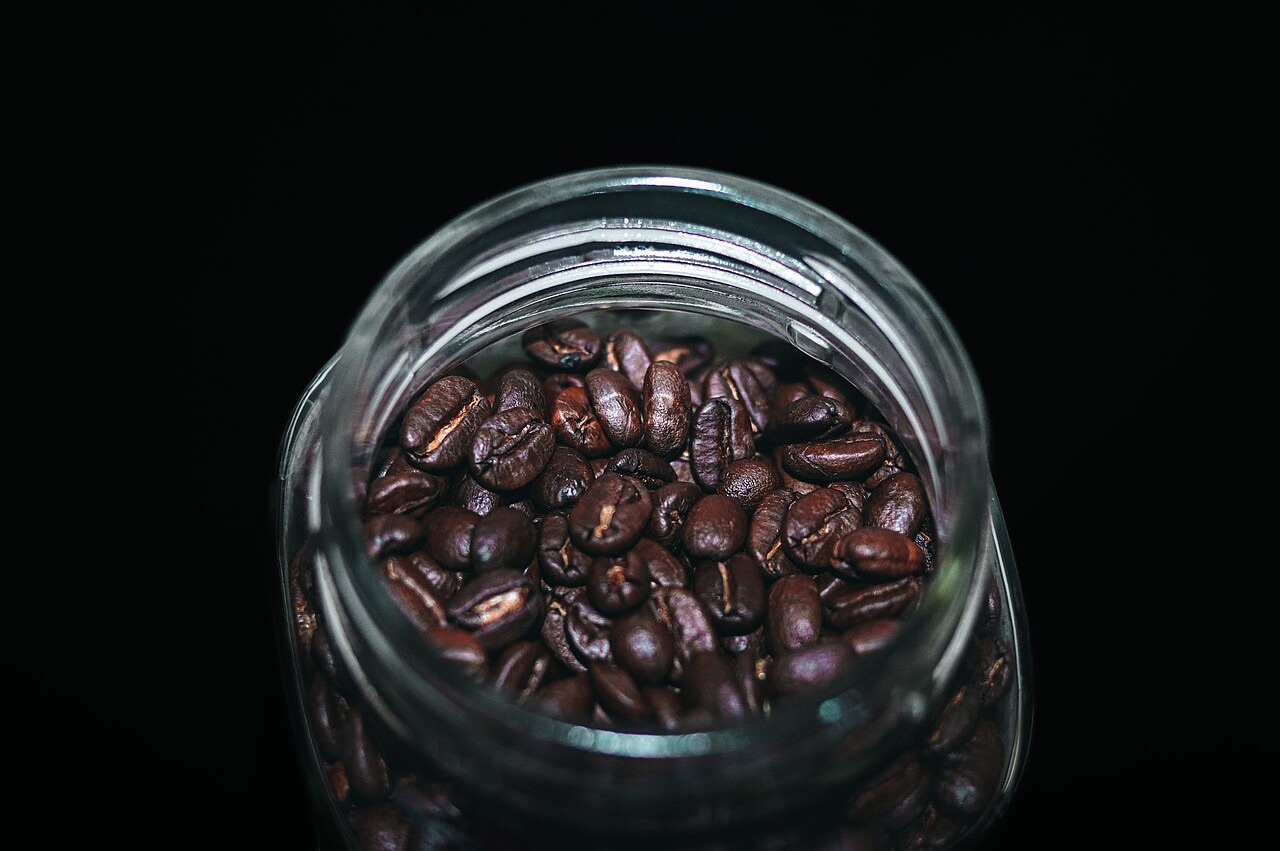
You bought a nice bag of coffee beans, opened it, and enjoyed a few cups. But there is still most of the bag left. A week later, you start wondering whether the beans will still taste as good.
Freezing might seem like an easy solution. After all, low temperatures help preserve many foods. But coffee beans are a little different. They contain aromatic compounds that give coffee its flavor, and those aromas gradually disappear after roasting.
Yes, you can freeze whole coffee beans. In fact, freezing can help preserve their freshness when you have more beans than you can use in the next few weeks. The important part is how you package them and how often you take them out.
When Does Freezing Coffee Beans Make Sense?
Freezing is most useful when you buy more coffee than you can drink while it is at its best.
For example:
- You bought a 1 kg bag of beans but only make two cups a day.
- You ordered several bags from a coffee roaster and want to save some for later.
- You found a coffee you really like and want to keep the remaining beans for another month.
- You buy specialty coffee in larger quantities because it is cheaper per bag.
If you usually finish a small bag within two or three weeks, you probably do not need to freeze it. A good airtight container in a cool, dark cupboard is usually enough.
But if you know some beans will sit unused for a month or longer, freezing becomes more useful.
The reason is simple: roasted coffee continues to lose aroma over time. Lower temperatures slow many of the processes involved in this change. They do not stop them completely, but they can help the beans stay closer to their original condition.
One important detail: freeze the beans while they are still fresh. Freezing cannot bring back the aroma of coffee that has already gone stale.
Does Freezing Change the Taste of Coffee?
It can, but the result depends on the beans and how you store them.
A properly sealed bag of frozen coffee may taste much closer to its original flavor than the same beans left open or poorly stored at room temperature for several weeks.
However, freezing is not a way to make every coffee taste better.
Coffee flavor comes from many volatile compounds. Over time, some escape from the beans, while exposure to oxygen, heat, moisture, and unwanted odors can also affect the taste.
Freezing slows some of these changes, which is why specialty coffee roasters and enthusiasts use it to preserve expensive or seasonal coffees.
There is also an interesting scientific reason why some people freeze beans even when they plan to use them soon.
A 2016 study published in Scientific Reports found that colder coffee beans produced a narrower particle-size distribution when ground. In simple terms, the grounds were more uniform in size.
This may help with more consistent extraction, although it does not mean every frozen coffee will automatically taste better.
For most home coffee drinkers, the main benefit of freezing is preserving beans they cannot finish soon enough.
How to Freeze Coffee Beans the Right Way
You do not need expensive equipment to freeze coffee beans. A few simple steps can make a big difference.
Divide the beans into smaller portions
Avoid putting your entire supply into one large bag if you plan to use it gradually.
Instead, divide the beans into portions that match your normal brewing needs. For example, if you use 18 grams per cup, you can prepare small portions of around 18–36 grams.
This way, you only take out what you need.
Use airtight packaging
Air and moisture are two things you want to keep away from coffee beans.
Small airtight freezer bags, vacuum-sealed bags, or suitable sealed containers can all work. Remove as much excess air as practical before closing the package.
If you are using ordinary zipper bags, consider placing them inside a second sealed container to reduce exposure to freezer odors.
Label the portions
Write down the coffee name, roast date if available, and freezing date.
This is especially useful if you have several different coffees in the freezer. It also helps you avoid keeping one bag forgotten at the back for months.
Place them in a stable part of the freezer
Try to avoid storing coffee in the freezer door, where the temperature changes more often.
A stable, cold area is better. Keep the packages away from foods with strong smells, especially if the packaging is not fully airtight.
How Long Can Coffee Beans Stay Frozen?
There is no single number that guarantees good flavor for every coffee.
As a practical home-storage approach, try to use frozen beans within a few months. Some specialty coffee professionals preserve carefully packaged beans for much longer, but that does not mean every home freezer and every package will produce the same result.
The outcome depends on:
- How fresh the beans were when frozen.
- How much air remained in the package.
- Whether the package was airtight.
- How stable the freezer temperature is.
- Whether the beans were repeatedly taken out and returned.
Think of freezing as slowing down the loss of freshness, not stopping time.
If you are saving an expensive bag of specialty coffee, it is worth using better packaging and smaller portions rather than relying on one large bag that gets opened repeatedly.
Can You Put Coffee Beans in the Refrigerator Instead?
The refrigerator is usually not a good place for whole coffee beans.
It may seem like a reasonable middle ground between a kitchen cupboard and a freezer, but refrigerators are frequently opened and contain foods with different smells and moisture levels.
Coffee beans can absorb unwanted odors, and repeated temperature changes can create moisture problems.
If you want to store beans for everyday use, an airtight, opaque container in a cool, dry cupboard is usually the easier choice.
If you need longer storage, the freezer is generally more suitable than the refrigerator, provided you package the beans properly.
What Should You Do When You Take Coffee Beans Out of the Freezer?
This is where many people make a mistake.
If you freeze a large bag of beans and open it while the beans are still very cold, moisture from the surrounding air can condense on the beans.
That is not ideal for coffee.
For a large package that you plan to open and use over several days, keep it sealed while it returns to room temperature. Once it has warmed up, open it and transfer the beans to your usual coffee container if needed.
If you have divided your beans into individual brewing portions, the process can be different. Some coffee professionals recommend grinding beans directly from frozen, rather than thawing them first.
This approach also has a connection to grind consistency. However, it is not suitable for every coffee grinder.
If you want to try it, read our guide on whether you can grind coffee beans straight from the freezer.
Common Freezing Mistakes to Avoid
A few small habits can undo the benefits of freezing.
- Freezing an already stale bag: Low temperatures will not restore lost aroma.
- Using loose or poorly sealed packaging: Coffee can pick up freezer odors and become exposed to moisture.
- Freezing one large bag and opening it every day: Each opening exposes the remaining beans to air and temperature changes.
- Putting beans in the refrigerator: This creates unnecessary exposure to moisture and food odors.
- Freezing ground coffee instead of whole beans: Ground coffee has much more exposed surface area and loses aroma faster.
The easiest solution is to divide whole beans into small portions before freezing. It takes a few extra minutes, but makes everyday use much simpler.
Frequently Asked Questions
Can you freeze coffee beans in their original bag?
You can, if the bag is properly sealed and suitable for freezer storage. However, if you plan to use only part of the coffee, dividing it into smaller airtight portions is more convenient.
Should coffee beans be frozen before or after opening the bag?
You can freeze unopened bags or beans from an opened bag. What matters most is keeping the beans fresh and limiting exposure to air and moisture before freezing.
Can you freeze coffee beans for six months?
It is possible, especially with good airtight or vacuum-sealed packaging and a stable freezer. However, flavor preservation is not guaranteed. For home use, consuming frozen beans within a few months is a more practical target.
Can you freeze coffee beans twice?
It is better to avoid repeated freeze-and-thaw cycles. Divide your beans into smaller portions before freezing so you only remove what you need.
Is freezing coffee beans better than using an airtight container?
Not always. For coffee you will finish soon, an airtight container in a cool, dark place is usually sufficient. Freezing is more useful when you need to store extra beans for longer.


