You buy a bag of coffee labeled 100% Arabica, expecting a smooth and mild cup. But after brewing it, the coffee tastes surprisingly bitter. It may even have a burnt or harsh aftertaste.
Is the coffee low quality? Did you buy the wrong beans? Or is Arabica coffee supposed to taste bitter?
The answer is that 100% Arabica does not mean bitterness-free coffee. Arabica describes the type of coffee bean, not how the finished coffee will taste. Roast level, bean quality, freshness, and brewing method can all affect bitterness.
If your Arabica coffee tastes more bitter than expected, here are the most common reasons and what you can do about them.
Dark Roasting Can Make Arabica Taste More Bitter
One of the biggest reasons Arabica coffee tastes bitter is the roast level.
Coffee beans start out relatively green and are roasted to develop their familiar coffee aroma and flavor. The longer and darker they are roasted, the more their original flavors change.
Here is what you can generally expect:
- Light roast: Often has brighter, fruitier, or floral flavors, with more noticeable acidity.
- Medium roast: Usually has a balance of sweetness, acidity, and roasted coffee flavors.
- Dark roast: Often tastes stronger, with more smoky, toasted, or bitter notes.
For example, a bag of 100% Arabica dark roast coffee may taste much more bitter than a medium roast Arabica from the same coffee-growing region.
This does not automatically mean the dark roast is bad. Some people enjoy its strong, roasted flavor, especially in espresso or milk-based drinks.
What to try: If you prefer smoother coffee, look for medium or light-medium roast Arabica beans instead of very dark roasts. Check the roast description on the package rather than relying only on the words "100% Arabica."
Your Coffee May Be Over-Extracted
Sometimes the beans are perfectly fine, but the brewing process makes the coffee taste bitter.
This happens when too much material is extracted from the ground coffee during brewing. It is called over-extraction.
Think about making tea. If you leave a tea bag in hot water for too long, the tea can become unpleasantly strong and bitter. Coffee can behave in a similar way.
Several things can cause over-extraction:
- Brewing for too long.
- Grinding the coffee too finely.
- Using water that is too hot.
- Allowing water to pass too slowly through the coffee grounds.
For example, if your French press coffee tastes bitter and dry, leaving the grounds in hot water for much longer than needed may be part of the problem.
What to try: Make one small adjustment at a time.
If your coffee tastes bitter, try shortening the brewing time or using a slightly coarser grind. If you use a pour-over coffee maker, check whether the water is flowing through the grounds too slowly.
You do not need to change everything at once. Small adjustments can help you find a better-tasting cup.
The Coffee Beans May Have a Burnt or Harsh Flavor
Not all bitterness tastes the same.
A mild bitterness can be part of normal coffee flavor. However, if your Arabica coffee tastes like charcoal, burnt toast, or ashes, the roast may be too dark for your preference.
This is particularly noticeable when coffee beans are roasted heavily. Their original flavors become less noticeable, while smoky and burnt-tasting notes become stronger.
Poor roasting can also create an unbalanced flavor. Even if the package says 100% Arabica, that label does not guarantee that the beans have been roasted well.
What to try: Try another Arabica coffee from a different roaster. Choose a medium roast and compare its taste with your current coffee.
If the new coffee tastes smoother and less burnt, the problem may have been the original roast rather than Arabica itself.
Old or Poorly Stored Coffee Can Taste Less Pleasant
Coffee does not stay fresh forever.
After roasting, coffee gradually loses some of its aroma. Exposure to air, moisture, heat, and light can speed up the process.
Old coffee does not always become more bitter. In many cases, it simply loses its pleasant aroma and sweetness, making harsh or stale flavors more noticeable.
For example, you might open a bag of Arabica coffee and notice that it smells less fragrant than when you first bought it. The brewed coffee may also taste flat, dull, or slightly unpleasant.
What to try:
- Check the roast date instead of looking only at the expiration date.
- Keep coffee in an airtight container.
- Store it in a cool, dry place away from direct sunlight.
- Avoid leaving an opened coffee bag exposed to air for long periods.
If you buy whole beans, grinding them just before brewing can also help preserve their aroma.
Some Arabica Coffee Naturally Has More Bitter Flavor Notes
Arabica coffee does not have one fixed flavor.
Depending on where the beans are grown, how they are processed, and how they are roasted, Arabica can taste fruity, floral, nutty, chocolatey, earthy, or more intensely roasted.
Some coffees naturally have stronger cocoa, dark chocolate, or roasted nut notes. These flavors can come with a noticeable bitterness, even when the coffee is brewed correctly.
For example, one Arabica coffee may remind you of milk chocolate, while another tastes more like dark chocolate. Both can be 100% Arabica, but the drinking experience is quite different.
It is also important to understand that bitterness and acidity are not the same thing.
- Bitterness: Can remind you of dark chocolate, burnt toast, or strong black tea.
- Acidity: Creates a bright, tangy sensation, sometimes similar to citrus or green apple.
- Sourness: Can feel sharp or unpleasant, especially when coffee is under-extracted.
Knowing the difference helps you describe what you actually dislike about your coffee.
What to try: Look for tasting notes on the coffee packaging. If you dislike bitterness, you may prefer beans described as sweet, caramel-like, fruity, or chocolatey rather than smoky or intensely roasted.
Your Brewing Equipment Can Affect the Taste
Even when you use the same Arabica beans, different brewing methods can produce noticeably different flavors.
For example:
- Espresso: Uses finely ground coffee and pressure to produce a concentrated drink. Its intense flavor can make bitterness more noticeable.
- French press: Allows coffee grounds to remain in contact with water for several minutes. Brewing time and grind size can affect the result.
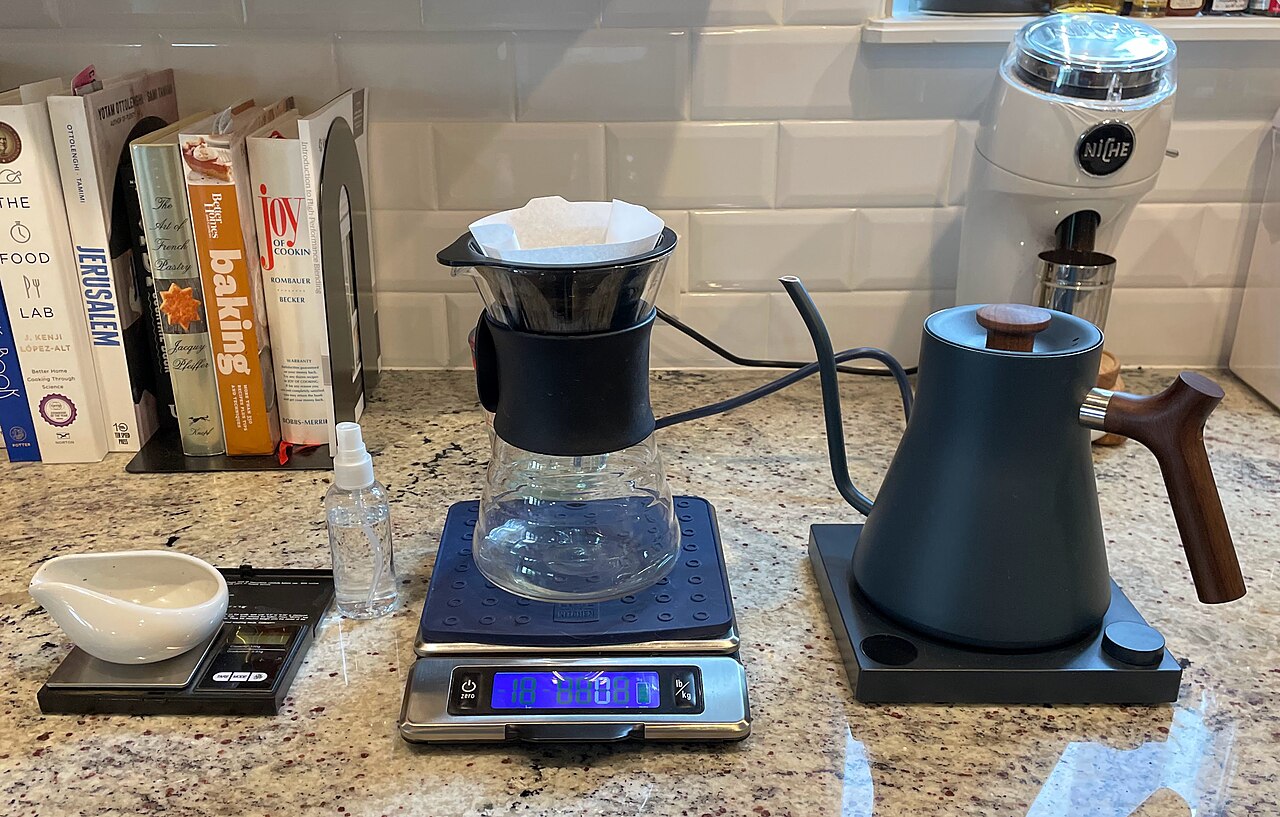
- Pour-over: Gives you more control over water temperature, pouring speed, and brewing time.
- Drip coffee maker: Usually requires less manual control, but the grind size and machine settings still affect extraction.
This explains why the same bag of Arabica beans might taste pleasant in a pour-over but too strong or bitter in an espresso machine.
What to try: If your coffee tastes too bitter, experiment with a different brewing method before deciding that the beans are bad.
For example, if espresso tastes too intense, try using the same beans to make a filter coffee. You may find that the flavor is more balanced.
How to Make 100% Arabica Coffee Taste Less Bitter
If you already have a bag of Arabica coffee that tastes too bitter, you do not necessarily need to throw it away.
Start with these simple adjustments:
| What you notice | What to try |
|---|---|
| Burnt or smoky taste | Choose a lighter roast |
| Strong bitterness after brewing | Reduce brewing time |
| Water flows too slowly | Use a slightly coarser grind |
| Coffee tastes harsh | Try slightly cooler brewing water |
| Coffee smells stale | Check freshness and storage |
| Espresso tastes too intense | Try filter coffee or adjust the recipe |
You can also add a little milk if you enjoy milk-based coffee. Milk softens the perception of bitterness and can make a strong cup easier to drink.
However, adding milk does not fix the brewing problem itself. If you want to enjoy black coffee, adjusting the beans and brewing method is a better starting point.
Does 100% Arabica Mean Coffee Should Not Be Bitter?
No. This is one of the most common misunderstandings about Arabica coffee.
Arabica is a coffee species, just as Robusta is another coffee species. Arabica is often associated with more complex aromas and a wider range of flavors, but it can still taste bitter.
A dark-roasted Arabica can be more bitter than a carefully roasted and brewed Robusta. The final flavor depends on much more than the bean label.
If you prefer smooth, mild coffee, do not choose a bag based on the words "100% Arabica" alone. Pay attention to the roast level, flavor notes, freshness, and brewing instructions.
The best Arabica coffee is not necessarily the least bitter one. It is the one whose flavor matches what you enjoy drinking.


